

Description
Steps To Creating Your Own Brokerage: Professional Training
Professional freight broker training is the first essential foundation when you begin the steps to creating your own brokerage. Quality training programs cover federal regulations, carrier vetting, rate negotiation, and operational best practices. Most programs cost $185-$1,000 and can be completed in two to four weeks through online freight broker training courses.
Register Your Business Entity
Establishing your LLC or corporation protects personal assets and provides tax advantages. Business registration costs $100-$400 depending on your state and involves filing formation documents with your Secretary of State office. Learn more about starting your freight brokerage from home.
Legal Structure Options
Most freight brokers choose LLC formation for liability protection. This legal structure ensures proper tax treatment and separation between personal and business finances. Consult with a business attorney or accountant to determine the best structure for your situation.
Obtain FMCSA Broker Authority
Securing FMCSA broker authority represents the most critical regulatory requirement. The $300 application fee and 4-6 week approval process through the Unified Registration System grants your MC number, legally authorizing you to arrange freight transportation as a licensed broker.
Steps To Creating Your Own Brokerage: Authority Application
Filing for broker authority requires completing the FMCSA application, providing proof of your surety bond, and submitting BOC-3 process agent designation. The entire process can be completed online through the Unified Registration System portal.
Secure Your $75,000 Surety Bond
The BMC-84 surety bond is a non-negotiable federal requirement. Annual premiums range from $1,500 to $3,750 based on your credit score, with this bond protecting shippers and carriers in case of broker default or fraud. Shop multiple surety providers to find the best rates.
Obtain Insurance Coverage
Insurance requirements protect your business from various risks. Contingent cargo insurance ($100-$400 monthly) covers loads if carrier insurance fails, while general liability insurance ($300-$1,000 annually) protects against property damage and bodily injury claims.
Insurance Types Needed
Understanding insurance needs helps navigate the startup process successfully. Most reputable shippers require brokers to carry contingent cargo coverage before doing business. Errors and omissions insurance provides additional protection against professional negligence claims.
File BOC-3 Process Agents
The BOC-3 filing designates legal representatives in all states where you conduct business. This $25 federal requirement appoints process agents who can receive legal documents on your behalf if your brokerage is named in a lawsuit.
Set Up Technology Systems
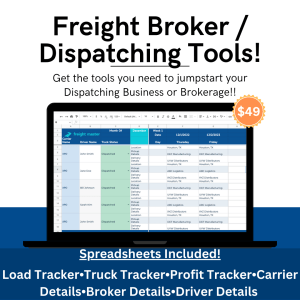
Modern technology infrastructure enables efficient operations. Transportation Management Systems (TMS) costing $50-$200 monthly, load board subscriptions at $50-$150 monthly, and carrier verification services streamline daily workflows. Explore our guide on what freight brokers do to understand operational requirements.
Essential Software Tools
Technology investments optimize daily operations significantly. Digital tools including TMS platforms, load boards, carrier verification services, and accounting software provide the infrastructure needed for professional brokerage management.
Steps To Creating Your Own Brokerage: Financing
Capital planning represents a significant challenge when following the steps to creating your own brokerage. Initial investments of $2,200-$10,000 cover licensing, bonding, insurance, technology, and working capital. Cash flow management proves critical since brokers must pay carriers before receiving shipper payments.
Build Your Carrier Networks
Developing reliable carrier relationships completes your operational foundation. Vetting carriers through insurance verification, safety ratings, and MC number validation establishes trusted networks. Use carrier verification services to validate legitimacy and track performance history.
Launch Your Operations
The final phase involves launching your freight brokerage business. Marketing, sales outreach, and client acquisition generate revenue opportunities. Professional websites, marketing materials, and CRM systems support business development efforts. Check out our article on finding freight broker opportunities.
Startup Costs Breakdown
Understanding complete financial requirements clarifies investment expectations for the steps to creating your own brokerage. Total costs ranging from $2,200 to $10,000 represent realistic first-year investments including one-time fees, annual renewals, and monthly operating expenses.
One-Time Expenses
Initial fees and registrations constitute upfront capital requirements. These one-time costs include LLC formation, FMCSA authority application, BOC-3 filing, training programs, and website development expenses.
Common Mistakes to Avoid
Learning from common errors improves success probability. Avoiding inadequate capital, poor carrier vetting, weak contracts, and underpricing services strengthens your competitive position. Many new brokers fail due to insufficient working capital for the 30-60 day payment gap.
2025 Industry Trends
Current freight market conditions impact new brokerage strategies. Understanding supply chain trends, nearshoring developments, technology adoption, and capacity dynamics informs strategic planning. Specialization in specific equipment types or industries often generates higher margins than generalist approaches.
For detailed federal requirements, visit the FMCSA broker registration page which outlines official authority application procedures.
Frequently Asked Questions
What are the steps to creating your own brokerage? The 11 essential steps include training, business registration, FMCSA authority, surety bond, insurance, BOC-3 filing, UCR registration, technology setup, financing, carrier networking, and launch operations.
How much does starting a freight brokerage cost? Total costs for launching a freight brokerage range from $2,200 to $10,000 in the first year including recurring expenses for bonds, insurance, and technology subscriptions.
The steps to creating your own brokerage provide your pathway to freight broker entrepreneurship. Following this proven roadmap positions you for sustainable success in 2025 and beyond.