
How to Get a Freight Broker License in Texas (2026 Guide)
Getting started with trucking and logistics begins with knowing
how to get a freight broker license in Texas, from FMCSA registration to meeting the $75,000 bond requirement, understanding Texas‑specific rules, and choosing the right training program for your business goals.
In this comprehensive step‑by‑step guide, you will learn exactly
how to get a freight broker license in Texas so you can launch a compliant brokerage, win shippers, and partner with reliable carriers across the state while staying ahead of changing transportation regulations and market trends.
Step 1: Training for How to Get a Freight Broker License in Texas
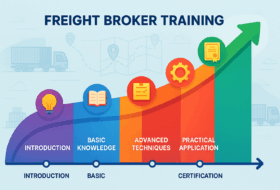
Before you apply, invest in solid freight broker education that explains
how to get a freight broker license in Texas and how to run day‑to‑day operations. Structured
freight broker training classes
give you hands‑on practice with load boards, rate negotiations, carrier onboarding, and compliance so you can confidently manage freight for shippers throughout Texas and beyond.
Programs in the Dallas–Fort Worth area and online training from FreightBrokersCourse.com walk you through brokerage setup, sales, and marketing. This focused education makes it easier to understand how to get a freight broker license in Texas and build a profitable business that meets both federal FMCSA regulations and Texas business requirements.
Step 2: FMCSA Registration for Your Texas Freight Broker License
The next part of learning how to get a freight broker license in Texas is registering with the Federal Motor Carrier Safety Administration (FMCSA). Using the FMCSA Unified Registration System (URS), you will apply for your USDOT number and Broker Authority (Property) and receive your MC number, which is the core identifier of your brokerage.
Once your URS application and fees are submitted, your MC number becomes the backbone of your Texas freight broker license. With this number in place, you can finalize your freight broker bond or trust, file your BOC‑3 form, and begin preparing your back‑office systems, carrier agreements, and shipper contracts so you are ready to operate the moment your authority becomes active.
Step 3: $75,000 Surety Bond or Trust for a Freight Broker License in Texas
A key part of how to get a freight broker license in Texas is meeting the FMCSA financial responsibility requirement with a
$75,000 freight broker surety bond (BMC‑84) or a $75,000 trust fund (BMC‑85). This requirement protects carriers and shippers if a broker fails to pay freight bills or meet contractual obligations, and it is mandatory for every new freight broker operating in Texas or across state lines.
Instead of paying $75,000 up front, most new Texas freight brokers pay an annual premium based on credit history and financial strength. After approval, your surety company files the BMC‑84 (or BMC‑85 for a trust) electronically with the FMCSA, bringing you one step closer to an active Texas freight broker license and giving your future partners confidence that you operate as a financially responsible business.
Step 4: File BOC‑3 and Designate Process Agents
To complete how to get a freight broker license in Texas, you must designate a process agent in each state where you operate by filing Form BOC‑3. Many process‑agent services handle the electronic BOC‑3 filing, provide proof for your records, and ensure you have a registered agent available to receive legal notices or official correspondence on behalf of your brokerage.
Choosing a reputable process‑agent provider is essential for keeping your Texas freight broker license in good standing with the FMCSA. As your freight brokerage grows into new regions and lanes, a solid BOC‑3 provider helps you stay compliant and avoid costly administrative issues that can pause or revoke your authority.
Step 5: Activate Your Authority and Start Your Texas Freight Brokerage
After your bond or trust and BOC‑3 are on file, the FMCSA reviews your application and lists it in the public register for a brief protest period. Once your authority status changes to “Active,” you have fully completed the process of
how to get a freight broker license in Texas and can begin booking loads, building relationships with shippers, and onboarding qualified carriers for your lanes.
At this stage, focus on refining your pricing strategy, organizing your operations, and using professional tools and training from FreightBrokersCourse.com to scale your Texas freight brokerage. Understanding how to get a freight broker license in Texas is only the first step; continuing education, technology, and smart carrier relationships will help you turn that license into a long‑term, profitable business.