
🚚 How to Become a Freight Broker in 2026
Complete Training Guide to FMCSA Registration, Licensing & Building a Lucrative Freight Brokerage Business
TL;DR – Quick Start Guide, How to Become a Freight Broker in 2026
- Average freight broker earnings: $60,000-$100,000+ annually with commission-based income
- Startup investment: $10,000-$15,000 for full licensing and bonding requirements
- Time to launch: 4-8 weeks to complete freight broker training and obtain FMCSA authority
- 2026 FMCSA deadline: January 16, 2026 – New financial responsibility rules take effect
- No degree required: Freight broker training courses prepare you without college or certifications
- Industry size: $400+ billion transportation industry with growing demand for trained professionals
- Flexible schedule: Work from home as freight broker; manage your own schedule and clients
Introduction to Freight Broker Training & Logistics Industry Updates
Are you interested in building a profitable career in freight brokering and logistics? The transportation and supply chain industry is experiencing unprecedented growth, with over 11 billion tons of freight moving by truck annually across North America. This comprehensive freight broker training guide covers everything you need to know about becoming a licensed freight broker, including recent 2026 logistics industry updates, regulatory changes, and proven strategies for success.
A freight broker acts as a critical intermediary in the supply chain, connecting shippers who have goods to move with carriers who provide transportation services. Freight brokers don’t physically transport freight themselves—instead, they leverage their expertise, networks, and industry knowledge to negotiate rates, manage logistics, and ensure efficient delivery while earning substantial commissions on every load.
📰 2026 Freight Industry Updates & Transportation Trends
FMCSA Financial Responsibility Rule (Effective January 16, 2026): New regulations require freight brokers to maintain stricter financial security compliance with only cash, U.S. Treasury bonds, or FDIC-insured letters of credit accepted as BMC-85 trust assets. Brokers face immediate suspension if financial security drops below $75,000 for more than 7 days. Learn about 2026 FMCSA compliance requirements.
Understanding the Role of a Freight Broker
To succeed as a freight broker, you must deeply understand the role and the specific skills required. Here’s what professional freight brokers actually do:
How to Become a Freight Broker in 2026: Core Responsibilities
- Shipper Relationship Management: Source and qualify potential clients (manufacturing companies, distributors, e-commerce retailers) who need transportation solutions
- Carrier Network Development: Build relationships with vetted trucking companies, focusing on reliability, safety records, and insurance compliance
- Rate Negotiation: Negotiate competitive freight rates with both shippers and carriers while maintaining profitable margins
- Load Matching & Dispatch: Use load boards and industry networks to match shipments with appropriate carriers based on equipment type, lane, and capacity
- Regulatory Compliance: Ensure all shipments comply with Department of Transportation (DOT), FMCSA, and industry-specific regulations
- Documentation & Invoicing: Manage bills of lading, proof of delivery, rate confirmations, and financial settlement between shippers and carriers
- Problem Solving & Customer Service: Handle delays, disputes, claims, and exceptions to maintain client satisfaction and carrier relationships
“Success in today’s freight market means staying ahead of logistics trends and industry disruptions. Freight brokers who invest in professional training understand regulatory nuances, build diverse carrier networks, and provide consultative service that commands premium margins.”
7 Steps: How to Become a Freight Broker in 2026
Follow this proven freight broker training roadmap to launch your brokerage business legally and profitably:
- Get Professional Freight Broker Training – Enroll in a comprehensive freight broker training course that covers industry fundamentals, FMCSA regulations, sales techniques, and operational procedures. Quality freight broker training shortens your learning curve by 6-12 months.
- Register for FMCSA Freight Broker Authority – Complete the online FMCSA MC number application, pay the registration fee ($300-$500), and submit proof of insurance. This is the foundational legal requirement for operating as a licensed freight broker.
- Obtain a $75,000 Surety Bond or Trust Fund – Comply with 2026 FMCSA financial responsibility rules by posting either a BMC-84 surety bond (annual premium ~$938) or BMC-85 trust fund ($75,000 cash deposit). As of January 16, 2026, stricter asset requirements take effect.
- Apply for Freight Broker Licenses & Insurance – Secure liability insurance (minimum $300,000-$1,000,000 coverage) and cargo insurance. Register your business entity (LLC or Corporation) and obtain any required state-specific licenses.
- Master FMCSA Regulations & Compliance – Understand hours of service rules, carrier safety ratings, DOT regulations, and documentation requirements. Compliance knowledge protects your business and builds credibility with carriers and shippers.
- Build Your Carrier & Shipper Networks – Systematically source vetted carriers and develop relationships with shippers in your target niches. Use load boards, cold calling, industry referrals, and targeted marketing to fill your pipeline.
- Implement Freight Broker Technology & Systems – Set up transportation management systems (TMS), load boards (DAT, Truckstop), rate management software, and CRM tools to manage operations professionally and scale efficiently.
Step 1: Register for Freight Broker Authority with FMCSA
The first legal requirement for How to Become a Freight Broker in 2026, is obtaining your FMCSA freight broker operating authority (MC number). This process involves:
- Visiting www.fmcsa.dot.gov and completing the online application
- Providing your legal business name, address, and ownership information
- Submitting proof of insurance (initial $300,000 liability minimum)
- Paying the FMCSA registration fee (non-refundable)
- Receiving your MC number and official authority (typically within 2-4 weeks)
2026 Update: FMCSA Registration Changes
The FMCSA originally planned to transition registrations to DOT numbers only, but has delayed this initiative. Current MC/FF number processes remain in place through 2026, so use traditional FMCSA registration procedures.
Step 2: Obtain a Surety Bond or Trust Fund
FMCSA requires freight brokers to post $75,000 in financial security. You have two options:
| Financial Security Type | BMC-84 Surety Bond | BMC-85 Trust Fund |
|---|---|---|
| Upfront Cost | ~$938/year (credit-based premium) | $75,000 cash deposit + trustee fees |
| Renewal | Annual premium payment | Trust assets must be continuously maintained |
| 2026 Compliance | Easier compliance; bond company handles updates | Stricter trustee vetting; only FDIC-insured institutions accepted |
| Best For | Brokers with limited capital; easier to manage | Established brokers with available capital seeking lower ongoing costs |
Step 3: Apply for Freight Broker License & Insurance
Alongside FMCSA registration, secure appropriate insurance:
- Freight Broker Liability Insurance: Covers errors, omissions, and negligence ($300,000-$1,000,000 typical coverage)
- Contingent/Cargo Insurance: Protects shippers’ goods even though you don’t transport them
- General Commercial Liability: Standard business insurance for your brokerage operations
Step 4: Master FMCSA Regulations & Compliance
Understanding federal regulations is non-negotiable. Key areas include:
- Hours of Service (HOS) Rules: Maximum driving/working hours for carriers you broker freight for
- Vehicle Maintenance & Safety: Carrier equipment standards and inspection requirements
- Driver Qualification Files (DQF): Documentation requirements for carrier drivers
- Hazardous Materials (HAZMAT) Compliance: Special handling requirements for regulated shipments
- Weight & Dimension Limits: Federal and state regulatory standards for shipment specifications
- Broker Transparency Laws: New regulations requiring honest rate disclosure and fraud prevention
Your freight broker training course should cover these regulatory requirements comprehensively to ensure legal operation and build client confidence.
Step 5: Build Your Shipper & Carrier Networks
Success in freight brokering depends on developing strong relationships on both sides. Here’s the proven approach:
Shipper Acquisition Strategy
- Identify niche industries (construction, food products, auto parts, e-commerce)
- Research potential shippers in your chosen niches using LinkedIn, Google, and industry databases
- Develop cold outreach campaigns (phone, email, in-person) focusing on value proposition
- Emphasize reliability, cost savings, and consultative service versus transactional pricing
- Secure first shipment references to build credibility with prospects
- Implement CRM systems to track prospects and nurture relationships over time
Carrier Relationship Development
- Vet carriers thoroughly: DOT safety ratings, insurance verification, references, equipment
- Build diversity across equipment types (dry van, reefer, flatbed, specialized)
- Maintain fair, consistent rates to build loyalty and repeat capacity
- Use load boards strategically (DAT, Truckstop, etc.) to find available carriers
- Communicate proactively about loads, requirements, and payment schedules
📊 2026 Freight Market Opportunity
Supply Chain Trends: According to DAT Freight Analytics, 2026 will bring gradual freight market recovery with shippers prioritizing stability and service reliability over pure price competition. This creates opportunity for freight brokers who provide consultative service, maintain diverse carrier networks, and solve supply chain problems rather than competing solely on rates.
Advantages of Professional Freight Broker Training
While it’s technically possible to become a freight broker by researching regulations independently, enrolling in a comprehensive freight broker training course provides critical advantages:
Benefits of Quality Freight Broker Training
- Accelerated Learning: Master industry knowledge in weeks that might take months of self-study
- Regulatory Expertise: Stay current with FMCSA requirements and 2026 compliance deadlines
- Proven Business Systems: Learn step-by-step frameworks for shipper prospecting, rate negotiation, and operations
- Access to Industry Professionals: Connect with experienced brokers, carriers, and logistics experts
- Technology Training: Master TMS platforms, load boards, CRM systems, and rate management tools
- Sales Skills Development: Learn consultative selling techniques that command premium margins
- Compliance Confidence: Understand DOT, FMCSA, and industry-specific regulations
- Mentorship & Support: Access guidance during your startup phase to avoid costly mistakes
- Networking Community: Join communities of freight brokers, agents, and logistics professionals
Types of Freight Broker Training Courses
Freight broker training is available in multiple formats to fit different learning styles and schedules:
| Training Format | Online Self-Study | Live Classroom | Hybrid Training |
|---|---|---|---|
| Schedule | 100% flexible; learn at your pace | Fixed class times; structured schedule | Mix of video + live sessions |
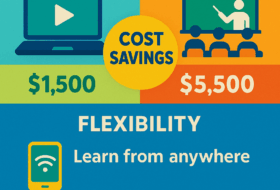
| Cost | Most affordable ($300-$800) | Higher cost ($1,500-$3,000+) | Mid-range ($800-$1,500) |
| Hands-On Training | Video demonstrations + assignments | Direct interaction; Q&A with instructors | Balanced approach |
| Best For | Working professionals; self-motivated learners | Those preferring structured accountability | Flexibility + instructor access balance |
Key Features of Comprehensive Training on How to Become a Freight Broker in 2026
When evaluating freight broker training courses, look for these essential components:
- FMCSA Regulatory Coverage: Complete instruction on MC number registration, surety bonding, insurance, and 2026 compliance requirements
- Business Setup Guidance: Step-by-step process for legal entity formation, accounting setup, and operational infrastructure
- Negotiation & Communication Skills: Techniques for rate negotiation, conflict resolution, and shipper/carrier communication
- Load Boards & Technology: Training on DAT, Truckstop, TMS platforms, and freight broker software
- Sales Methodologies: Prospecting strategies, cold calling scripts, and relationship-building frameworks
- Financial Management: Understanding margins, factoring, cash flow management, and pricing strategies
- Case Studies & Real Examples: Learning from actual freight transactions and industry scenarios
- Industry Connections: Access to load boards, carriers, and shipper leads for immediate implementation
Choosing How to Become a Freight Broker in 2026
With numerous freight broker training options available, here’s how to evaluate and select the best course for your situation:
Critical Factors in Freight Broker Course Selection
- Provider Reputation: Research reviews on independent platforms, Google, Trustpilot, and BBB. Check if instructors are active freight brokers (not consultants who sold their businesses years ago). Verify student success stories with verifiable results.
- Industry Accreditation: Look for courses recognized by industry associations or endorsed by experienced freight professionals. Check instructor credentials and background in freight brokering.
- Comprehensive Curriculum: Ensure the course covers FMCSA requirements, shipper/carrier relationships, negotiations, technology, sales training, and 2026 regulatory updates.
- Ongoing Support: Quality courses provide post-enrollment mentorship, community access, software discounts, or bonus resources. Avoid courses that end after initial purchase.
- Hands-On Components: Look for real load matching exercises, rate negotiation simulations, and practical assignment-based learning.
- Cost Transparency: Understand exactly what’s included. Avoid courses with hidden upsells or required purchases of additional resources after enrollment.
- Money-Back Guarantee: Reputable courses offer 30-60 day guarantees demonstrating confidence in their content and quality.
Red Flags: What to Avoid in Freight Broker Training
- ❌ Courses promising “get rich quick” or unrealistic income guarantees without acknowledging the work required
- ❌ Upfront fees beyond the course cost ($500+ “registration fees,” mandatory software purchases)
- ❌ Instructors with no active freight brokerage experience or verifiable credentials
- ❌ Lack of transparency about curriculum content or course structure
- ❌ No student testimonials, case studies, or verifiable success stories
- ❌ Courses that are outdated (not addressing 2026 FMCSA changes)
- ❌ No access to mentorship or community support after purchase
- ❌ Generic content that could apply to any business, not specific freight broker knowledge
Essential Tips for Succeeding as a Freight Broker
Beyond technical knowledge and training, successful freight brokers share these common characteristics and practices:
1. Develop Exceptional Relationship Management Skills
“Building strong relationships with shippers and carriers is absolutely crucial to freight broker success. Communicate effectively, negotiate fairly, follow through on promises, and treat both sides as valuable partners rather than transaction partners.”
- Respond promptly to shipper and carrier inquiries (within 2 hours is industry standard)
- Maintain transparent communication about rates, timelines, and any issues
- Follow through on every commitment without exception
- Build genuine relationships—don’t approach this as purely transactional
- Regularly check in with top shippers and carriers even without immediate loads
2. Continuously Improve Your Knowledge & Skills
The transportation industry constantly evolves with new regulations, supply chain trends, and market dynamics:
- Subscribe to industry publications and freight broker newsletters
- Attend industry conferences, webinars, and training workshops annually
- Monitor FMCSA updates and regulatory changes (especially 2026 compliance deadlines)
- Understand emerging transportation trends: AI optimization, electrification, nearshoring, supply chain resilience
- Stay current on freight rates, capacity levels, and regional market dynamics
- Join freight broker associations and professional communities
3. Market Your Freight Brokerage Effectively
Marketing separates successful brokerages from struggling ones. Here’s what works:
- Build a Professional Website: Showcase your services, expertise, and value proposition. Include client testimonials and team credentials.
- Establish Social Media Presence: Share freight industry insights, transportation trends, and logistics tips on LinkedIn and other platforms.
- Develop Strong Brand Identity: Create consistent messaging about what makes your brokerage unique and valuable.
- Network Strategically: Attend industry events, join local business groups, and build relationships with freight brokers, carriers, and shipper contacts.
- Create Educational Content: Blog posts, guides, and resources about freight brokering, supply chain, and industry updates establish authority.
- Implement Referral Programs: Incentivize shippers and carriers to refer other businesses to your brokerage.
- Leverage Your Training Community: Network with classmates and instructors from your freight broker training to generate leads.
2026 Freight Market Opportunity for Trained Brokers
📊 Market Conditions Favor New Freight Brokers
Stable Pricing Environment: Unlike volatile freight markets of recent years, 2026 forecasts stable, predictable pricing. This creates ideal conditions for new brokers to establish relationships and develop shipper accounts without extreme rate swings.
Capacity Dynamics: Slight capacity tightening in regional markets combined with oversupply in others creates arbitrage opportunities for brokers with diverse carrier networks. The ability to source capacity from regions with supply to areas with demand is a major profit driver.
For freight professionals considering becoming a broker, 2026 presents a favorable environment:
- Freight volumes expected to gradually stabilize after years of volatility
- Shippers prioritizing service reliability and relationship-based partnerships over pure price competition
- Regional capacity imbalances creating opportunities for brokers with geographic flexibility
- Increasing adoption of technology (TMS, AI optimization, digital freight matching) elevating service quality expectations
- Supply chain resilience focus creating demand for brokers who provide consultative, strategic guidance
- LCL (Less-than-Container-Load) consolidation emerging as tariff-mitigation service for brokers to offer
“The convergence of stable pricing, strategic shipper focus on reliability, regional capacity variations, and advancing technology creates perhaps the most favorable entry environment for new freight brokers in a decade. Those with proper training and commitment to relationship-building will thrive.”
Frequently Asked Questions About How to Become a Freight Broker in 2026
A freight broker is an intermediary between shippers (businesses with freight to move) and carriers (trucking companies). Freight brokers don’t physically transport goods—instead, they facilitate the transaction by matching loads with available capacity, negotiating rates, handling logistics coordination, and managing all documentation and compliance requirements.
Income Model – How Freight Brokers Earn: Brokers earn commission on freight margins by capturing the difference between shipper rates and carrier rates. Here’s a typical example:
- Shipper Rate: $2,500 for a full truckload shipment from New York to Atlanta
- Carrier Rate: $2,000 to transport the same load
- Broker Profit: $500 (20% margin)
Scale & Earnings: High-performing freight brokers handle 20-50+ loads per week, generating annual commission-based income of $60,000-$100,000+. Top producers managing specialized niche freight can earn $150,000-$250,000+ annually. Income is directly tied to volume, margins, and efficiency. View detailed freight broker income analysis and earnings breakdown.
Commission Structure: Most brokers operate on a percentage-based commission model (typically 8-15% of shipper revenue) or flat-fee per load structures ($100-$500 per load depending on complexity). Your freight broker training will teach advanced pricing strategies to maximize profits.
Critical Deadline: January 16, 2026 – New FMCSA rules significantly impact freight broker compliance and operations. These requirements are mandatory for all licensed freight brokers:
- Financial Security Mandate: Must maintain exactly $75,000 in financial security at all times. Non-compliance results in immediate operating authority suspension with no grace period.
- BMC-84 Surety Bond Option: Annual premium-based surety bond (typically ~$938/year depending on credit). Easier to maintain and transfer between providers. Recommended for brokers with limited capital.
- BMC-85 Trust Fund Option: $75,000 cash deposit held in trust. Only certain assets now qualify: (a) cash deposits, (b) U.S. Treasury bonds, or (c) FDIC-insured irrevocable letters of credit. This eliminates approximately 90% of previous asset types that were previously accepted (certificates of deposit, municipal bonds, etc.).
- Approved Trustee Requirements: Only federally-regulated trust companies, FDIC-insured banks, and NCUA-insured credit unions qualify as trustees. State-chartered trust companies and many existing trustees no longer qualify, forcing many brokers to transition to new trustees.
- Immediate Suspension Risk: If financial security drops below $75,000 for ANY reason, trustees must notify FMCSA within 7 days (previously 30-day grace period). FMCSA can immediately suspend your operating authority upon notification—even if you remedy the shortfall quickly.
- Trustee Financial Failure Accountability: New guidelines require surety companies and trust providers to immediately notify FMCSA if they identify signs of broker financial failure, insolvency, or misuse of trust funds. This creates additional oversight of broker financial health.
- Compliance Documentation: Brokers must maintain proof of current financial security continuously and be able to provide evidence to FMCSA on demand. Lapses in coverage, even for hours, can result in violations.
Practical Impact: Many brokers using BMC-85 trust funds must transition to BMC-84 surety bonds or find new FDIC-insured trustees before January 16, 2026. Failure to comply results in immediate operating authority suspension and inability to accept freight loads.
View complete 2026 FMCSA compliance guide with trustee transition checklist.
Freight Broker Training Cost Breakdown:
- Online Self-Study Courses: $300-$800 (most budget-friendly; self-paced video modules; 2-4 weeks to complete; limited instructor interaction)
- Hybrid Training Programs: $800-$1,500 (combines recorded videos + live group Q&A sessions; 4-6 weeks duration; moderate instructor access)
- Live Classroom Training: $1,500-$3,000+ (structured in-person or live virtual classes; typically 6-8 weeks; direct instructor interaction and hands-on training)
- Premium Mentorship Programs: $3,000-$10,000+ (includes one-on-one coaching, personalized business planning, shipper lead sourcing, and ongoing support; 8-12 weeks or longer)
Total Startup Investment for Freight Broker Business (Beyond Training):
- FMCSA MC Number registration: $300-$500
- Surety bond (BMC-84): ~$938/year (or $75,000 cash for BMC-85 trust)
- Insurance (liability + cargo): $3,000-$6,000/year
- Business entity formation (LLC/Corporation): $300-$1,500
- Load board subscriptions (DAT, Truckstop): $300-$500/month (~$3,600-$6,000/year)
- TMS/CRM software: $200-$500/month (~$2,400-$6,000/year)
- Total first-year startup: $10,000-$25,000
ROI Perspective: Quality freight broker training is a high-ROI investment. Many freight brokers earn back their entire training investment within the first 1-2 months of operations when they close their first high-margin shipper accounts. With consistent effort, annual earnings of $60,000-$100,000+ are achievable, making the upfront training investment recouped in 4-6 weeks of operations.
No formal education requirements exist for freight brokers. Unlike many professions, the FMCSA does NOT require a college degree, professional license, certification exam, or formal educational credentials to operate as a freight broker.
FMCSA Requirements (What’s Actually Required):
- Complete online FMCSA MC number application (basic company information)
- Pay $300-$500 registration fee
- Provide proof of insurance coverage (liability minimum)
- Post $75,000 in financial security (surety bond or trust fund)
- That’s it—no exam, no degree, no certification verification
What Actually Matters for Success as a Freight Broker:
- Industry Knowledge: Deep understanding of freight brokering, FMCSA regulations, load matching, rate negotiation, and carrier/shipper relationships (learned through professional freight broker training)
- Business Acumen: Financial management, pricing strategy, profit margin optimization, cash flow management, and customer relationship management
- Communication Skills: Excellent verbal and written communication; ability to negotiate effectively with shippers and carriers; professional customer service mindset
- Relationship-Building Ability: Genuine commitment to developing long-term partnerships with shippers and carriers based on trust and reliability
- Work Ethic & Persistence: Dedication to learning, continuous improvement, and persistence through initial challenges of building a new business
- Technical Proficiency: Comfort with transportation management systems, load boards, CRM software, and basic business technology
Professional freight broker training provides structured education in these critical areas, dramatically accelerating your path to success compared to self-taught approaches.
Timeline Overview from Start to Operating:
- Phase 1 – Freight Broker Training: 2-4 weeks (self-paced online courses) to 4-8 weeks (comprehensive training with assignments and assessments); can overlap with subsequent phases
- Phase 2 – FMCSA Registration Application: Submit online application in day 1; expect 2-4 weeks for FMCSA approval and MC number issuance; complex applications may take 4-6 weeks
- Phase 3 – Surety Bond/Trust Fund Procurement: 1-2 weeks after FMCSA approval to secure BMC-84 surety bond or establish BMC-85 trust fund account
- Phase 4 – Insurance & Business Setup: 1-2 weeks to secure liability/cargo insurance and establish business entity (LLC registration, EIN, business banking)
- Phase 5 – Technology & Load Board Setup: 1 week to subscribe to load boards, TMS software, CRM platforms, and establish communication systems
- Total Timeline: 4-8 weeks from day one to operational readiness
Realistic Startup Path Most Brokers Take: Many aspiring freight brokers begin training while still employed in their current job, completing course content over 4-6 weeks during evenings/weekends. Upon finishing training, they submit FMCSA application immediately while setting up insurance, surety bond, and business entity. By week 6-8 of this process, they have operating authority and are ready to accept loads, though some continue part-time in previous employment for 30-90 days to maintain stable income while building shipper pipelines.
Time to First Revenue: Most brokers close first shipper account within 2-4 weeks of operating authority and load their first freight within 4-6 weeks. Initial months involve high volume of outbound prospecting with relatively low close rates; this ramps significantly once you have 5-10 active shipper accounts and established carrier networks.
View detailed startup timeline with week-by-week action items.
Key Differences Between Freight Agent vs. Licensed Freight Broker:
| Factor | Freight Agent | Licensed Freight Broker |
|---|---|---|
| Operating Authority | Works under another broker’s FMCSA MC number | Holds own FMCSA MC number; independent operator |
| Licensing Required | None; no registration needed | FMCSA registration required; $75K financial security |
| Startup Investment | $0-$500 (minimal; just CRM/tech) | $10,000-$25,000 (registration, bonding, insurance, tech) |
| Commission/Earnings | 60-80% commission split on loads booked; company takes 20-40% | 100% of freight margins; you keep all profit after carrier payment |
| Responsibilities | Sales focus only; broker handles compliance, insurance, carrier vetting, settlements | Full responsibility: regulatory compliance, insurance, carrier vetting, settlements, customer service |
| Risk Level | Low; all liability on sponsoring broker | Higher; direct liability for compliance, financial responsibility, shipper claims |
| Income Ceiling | Limited by commission split; agents typically earn $3,000-$8,000/month | Unlimited upside; no percentage split; brokers earn $5,000-$15,000+/month at scale |
| Business Independence | Limited; must follow sponsoring broker’s policies and procedures | Complete independence; set your own processes, pricing, policies |
| Growth Path | Natural transition to licensed broker when ready | Can expand to multiple load types, niche specializations, regional growth |
Which Path Should You Choose on How to Become a Freight Broker in 2026?
- Start as Freight Agent If: You want minimal risk and investment; prefer sales-focused work with limited compliance responsibility; want to test the industry before committing capital; can accept 60-80% commission split; value stability and training support from sponsoring broker
- Start as Licensed Broker If: You have $10-15K startup capital; comfortable with full business responsibility; want unlimited income potential; plan to build long-term scalable business; ready to manage carrier relationships, compliance, and operations; prefer independence
- Recommended Path for Most: Many successful brokers start as freight agents for 6-12 months (building sales skills, market knowledge, and shipper relationships with minimal risk), then transition to licensed broker status once they’ve proven the market and built initial shipper pipeline. This hybrid approach combines low-risk testing with high-upside growth potential.
Explore comprehensive freight agent vs. broker comparison with detailed financial analysis.
Good news: Freight brokering has extremely low physical equipment requirements. You can successfully operate a six-figure freight brokerage from a home office with minimal infrastructure.
Essential Equipment & Technology Stack:
- Computer/Laptop: Any modern laptop or desktop; Windows or Mac both work fine; minimum 4GB RAM, reliable internet connection. Budget: $600-$1,500
- Smartphone: Essential for shipper/carrier communication; use business phone number or Google Voice for professional presence. Budget: $200-$800
- Reliable Internet Connection: Broadband minimum 25 Mbps; consider backup mobile hotspot for redundancy. Budget: $50-$100/month
- Load Boards (Critical):
- DAT Freight & Cab: $175-$350/month (largest load board; essential for truck freight)
- Truckstop/DAT One: $200-$400/month (competing load board; good carrier integration)
- Tender board subscriptions: $100-$200/month (LTL freight, specialty boards)
- Transportation Management System (TMS): Software for load tracking, rate management, settlements
- Loadsmart/Convoy/FreightCenter APIs: $200-$500/month
- Custom TMS: $300-$1,000/month depending on features
- Spreadsheet-based (Excel): $0 (not recommended; inefficient for scaling)
- CRM Software: Customer relationship management for shipper/carrier tracking
- HubSpot Free: $0 (limited but functional for startups)
- Zoho CRM: $20-$65/month (affordable full-featured CRM)
- Pipedrive: $12-$99/month (sales-focused, excellent for prospecting)
- Communication Tools:
- Google Workspace/Microsoft 365: $6-$12/month (email, calendar, documents)
- Slack or Teams: $6-$12.50/month (internal communication if you hire team)
- Twilio/Vonage: $20-$50/month (VoIP phone system with call recording)
- Accounting Software:
- QuickBooks Online: $15-$180/month (comprehensive bookkeeping)
- FreshBooks: $15-$55/month (invoice + time tracking)
- Wave: Free (basic invoicing and accounting)
- Document Management:
- Google Drive: Free (basic file storage)
- Dropbox/OneDrive: $10-$20/month (professional file organization)
- DocuSign/HelloSign: $15-$40/month (e-signature for rate confirmations)
Monthly Technology Costs (Typical Small Brokerage):
- Load boards: $300-$600/month
- TMS software: $300-$500/month
- CRM: $20-$65/month
- Communication/email: $12-$30/month
- Accounting software: $20-$50/month
- Internet: $50-$100/month
- Total monthly tech cost: $700-$1,300
Physical Space Requirements: Most freight brokers operate successfully from home office, shared workspace, or small dedicated office. No warehouse, dispatch facility, or physical infrastructure needed. Professional appearance for client meetings can be achieved through virtual meeting spaces or occasional coffee shop meetings.
Your freight broker training will provide detailed recommendations on specific software platforms, integration strategies, and technology stacks optimized for different business sizes and specializations.
How to Become a Freight Broker in 2026; Start Your Career Path Today
Join thousands of professionals who’ve launched profitable freight brokerage businesses with comprehensive training and proven systems. Learn directly from active freight brokers who generate six and seven-figure incomes by connecting shippers with reliable carriers.